Reducing Embodied Carbon Through Low Carbon Concrete
Reducing Embodied Carbon Through Low Carbon Concrete
Reducing Embodied Carbon Through Low Carbon Concrete
Jo Ann Offill, EIT is Mackenzie’s embodied carbon champion. That means she’s responsible for educating Mackenzie staff on the importance of reducing embodied carbon in our projects and providing staff with the resources to meet our firm’s sustainability goals.
We asked her to tell us more about one of the biggest ways structural engineers can reduce global emissions: by using low carbon concrete in our concrete mixes. Read some of what she had to say below and hear the rest in the video we made!
It's estimated that the built environment is responsible for up to 40% of global emissions annually. One of the most impactful methods of reducing embodied carbon in cement production is through the addition of limestone.
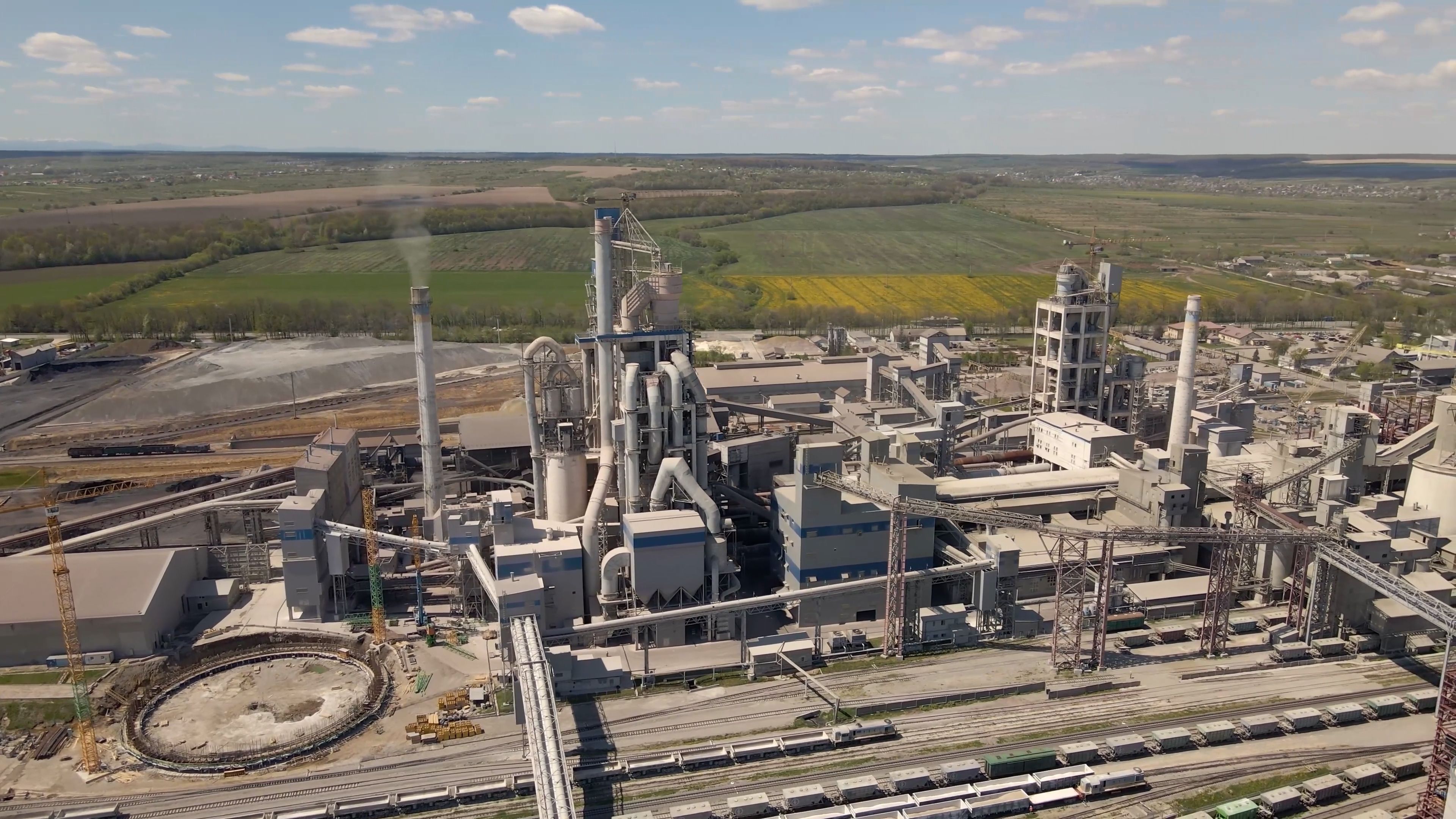
The binding agent in cement known as clinker, is ground to a fine powder during the kilning process, which is an extremely energy intensive process, accounting for as much as 90% of the overall embodied carbon in cement.
Up to 15% of that Portland clinker is replaced with limestone, which is a softer material and reduces the overall energy usage in the building process. Research indicates that type 1L cement is equivalent and performance to traditional, ordinary Portland cement, but can offer as much as a 10% reduction in overall embodied carbon.
Learn more in the video we made here.


