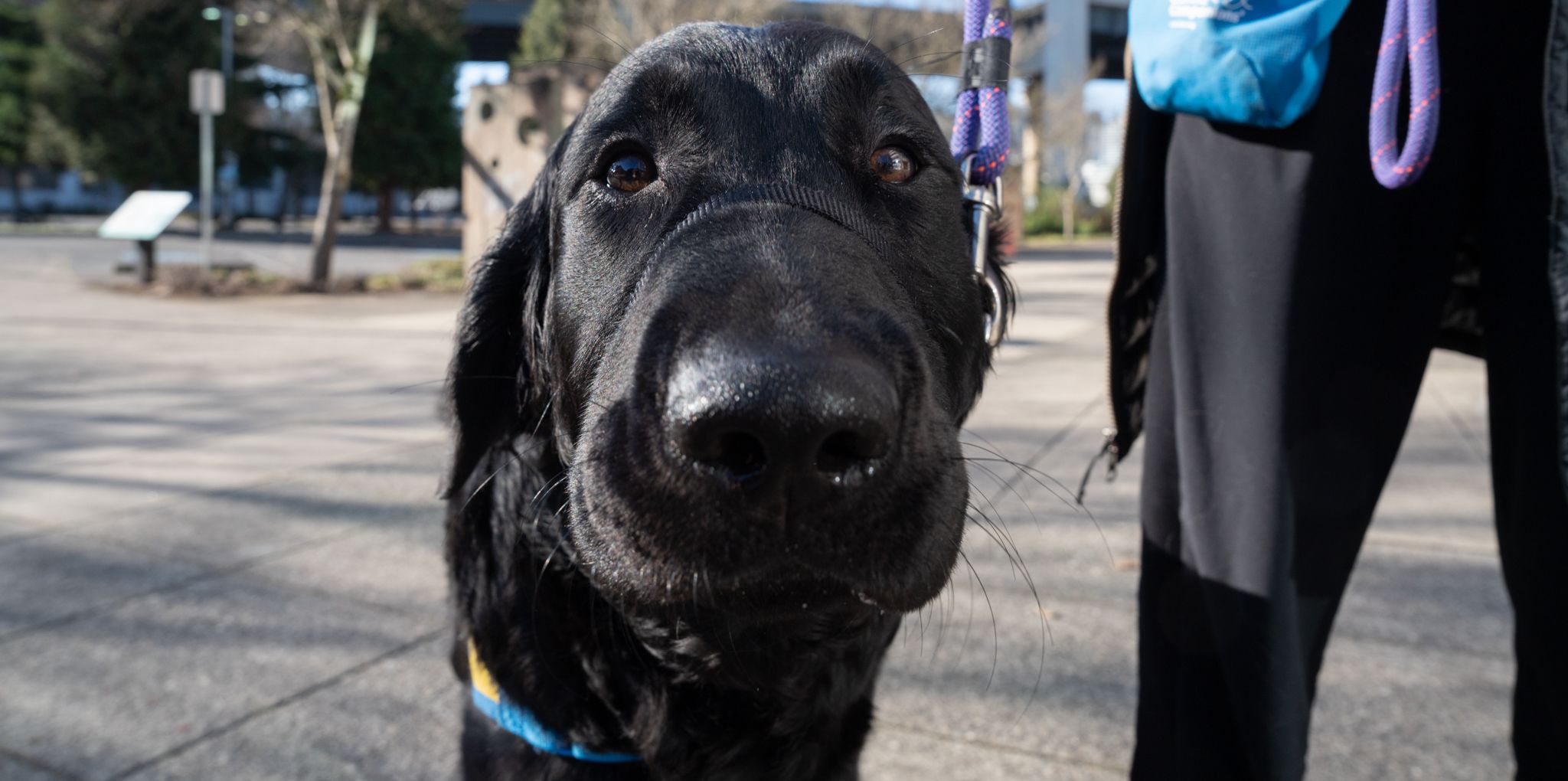
Puppy Alert!
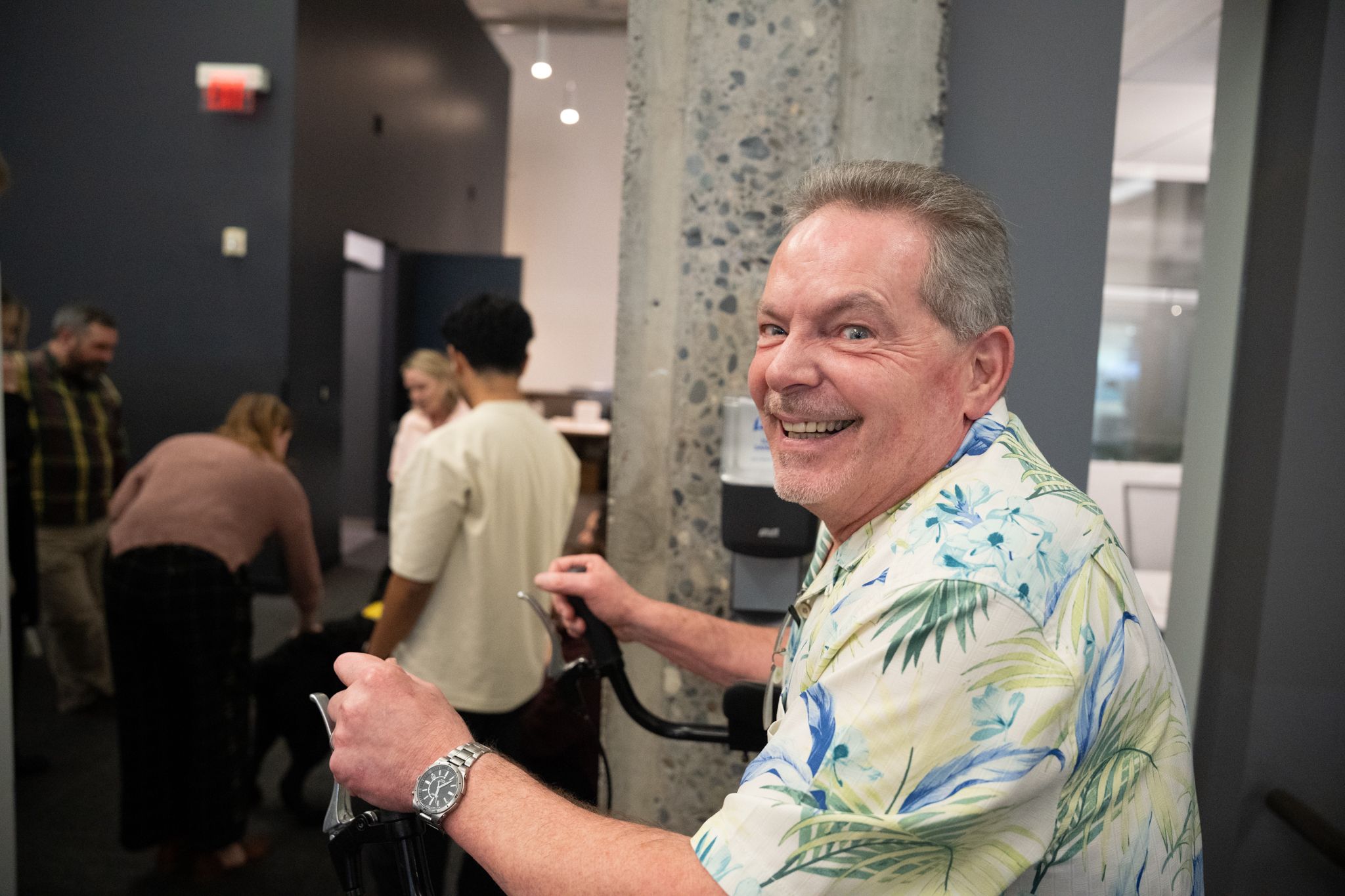
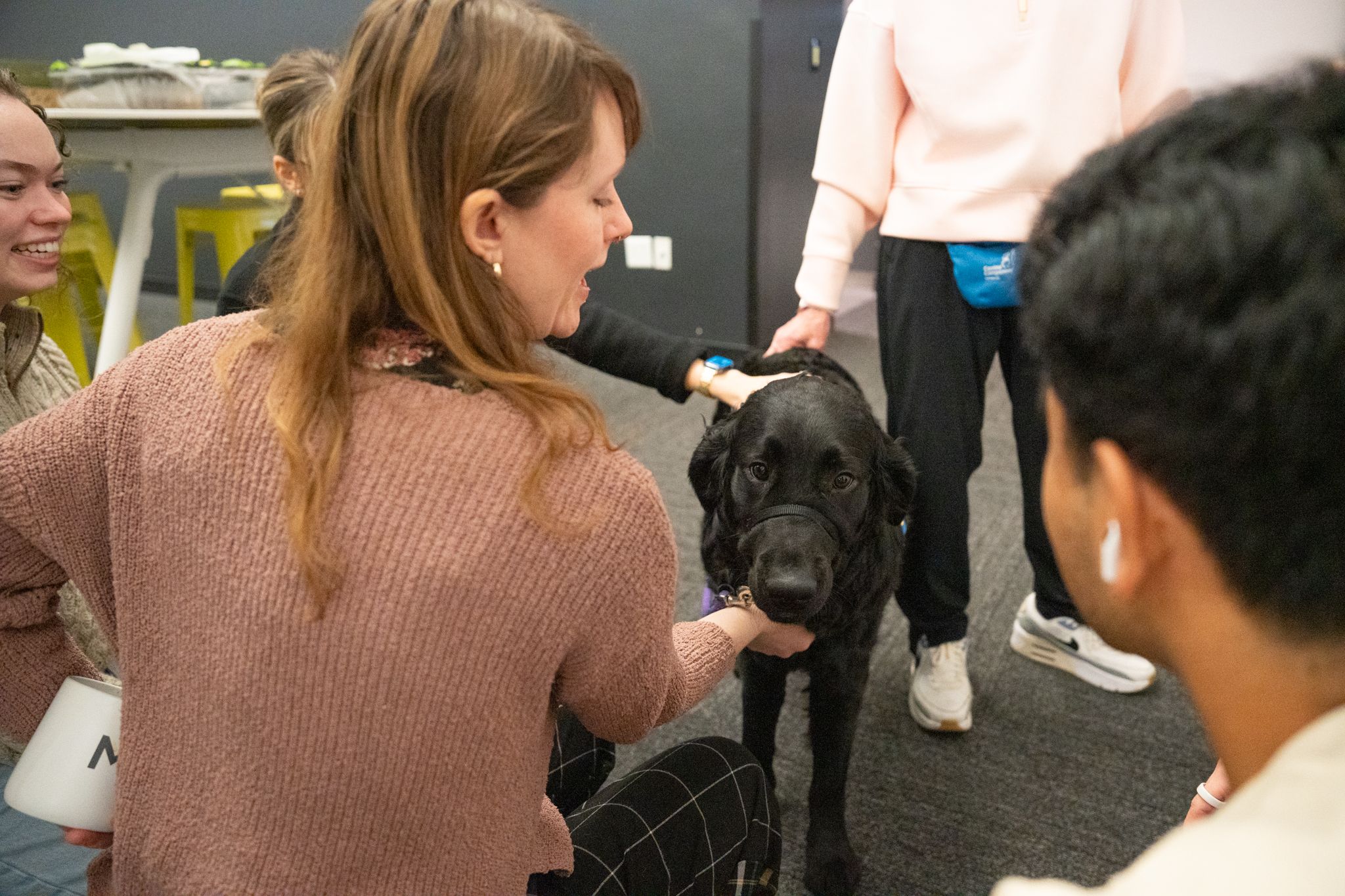
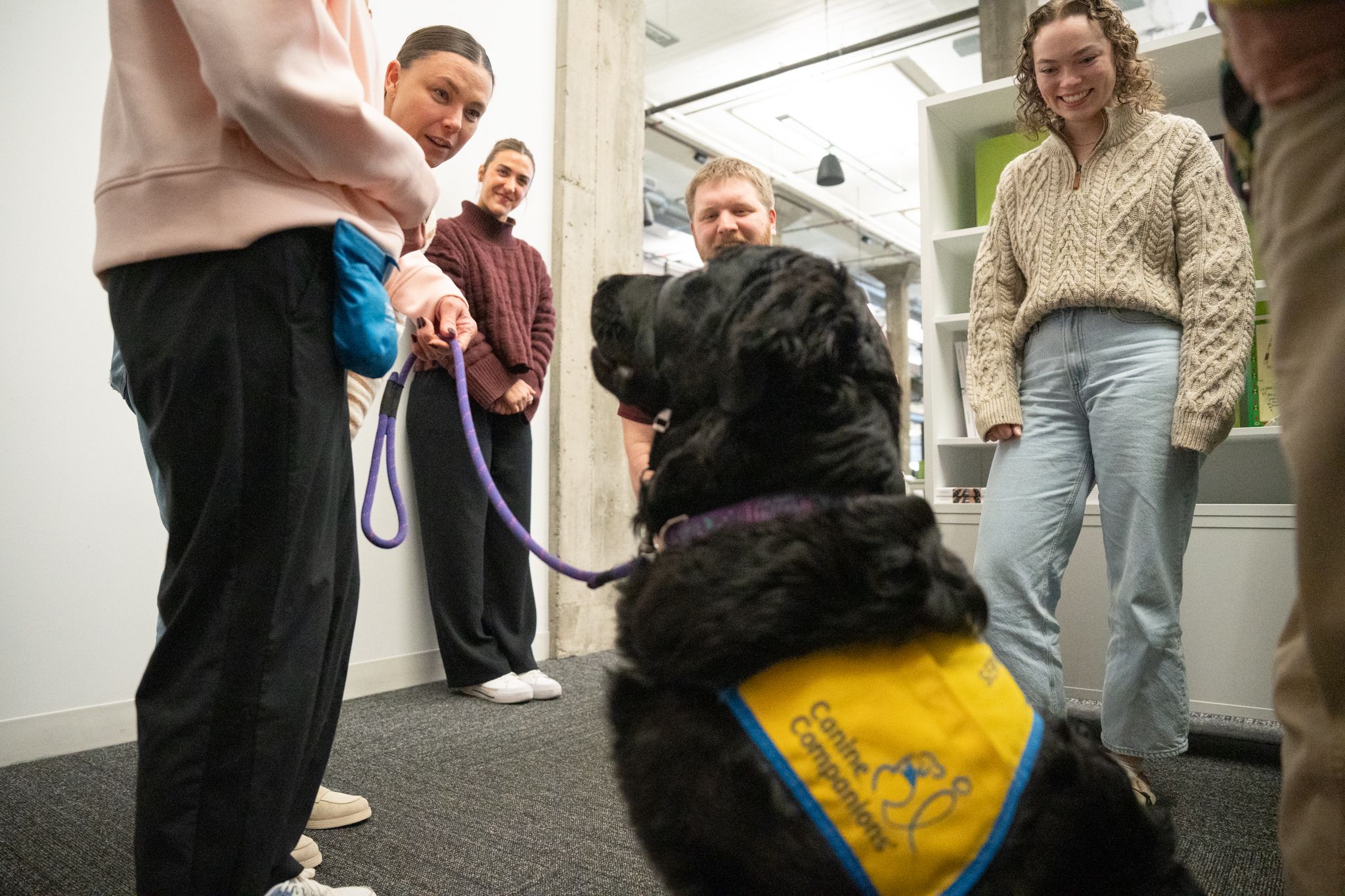
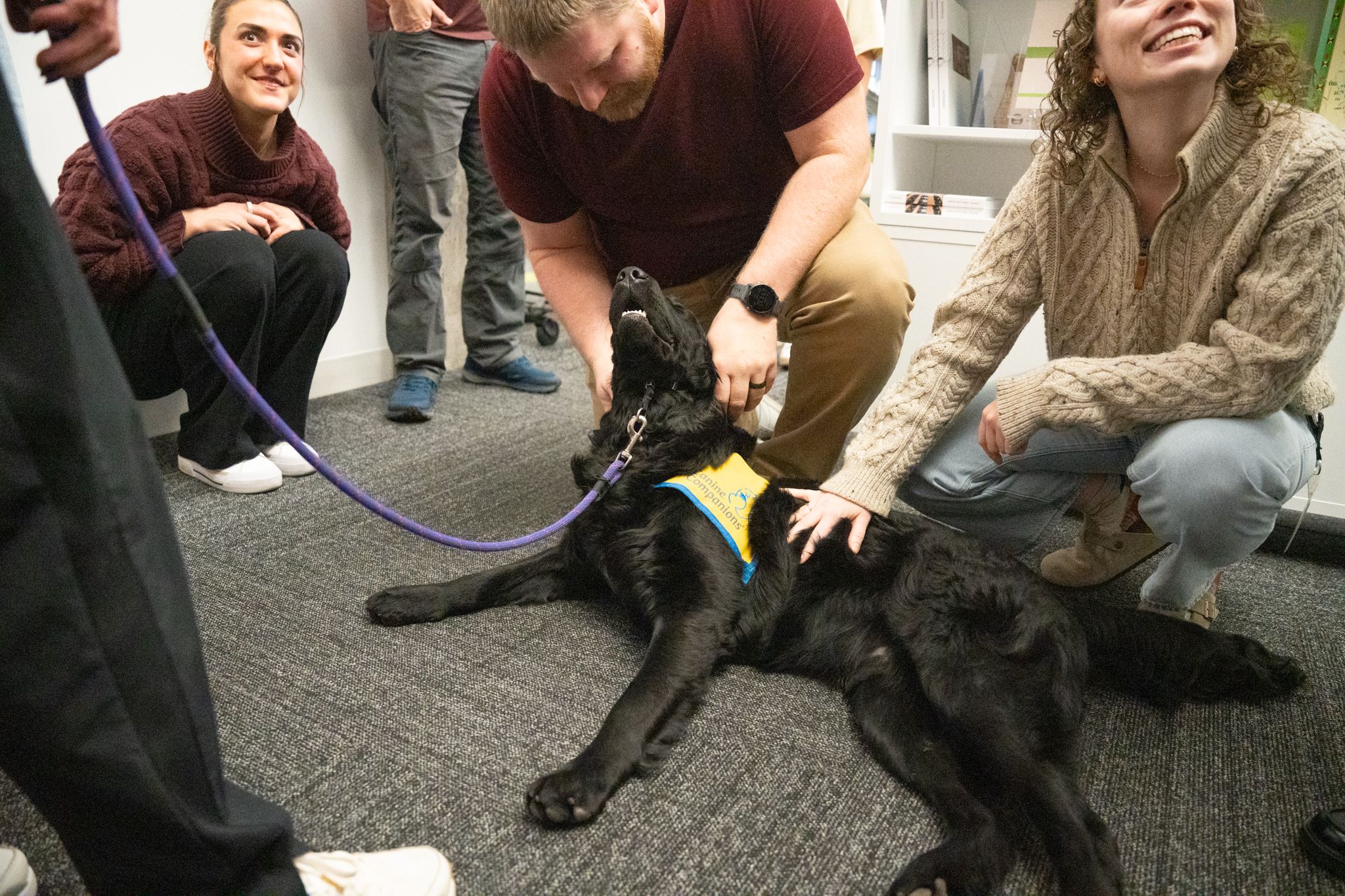
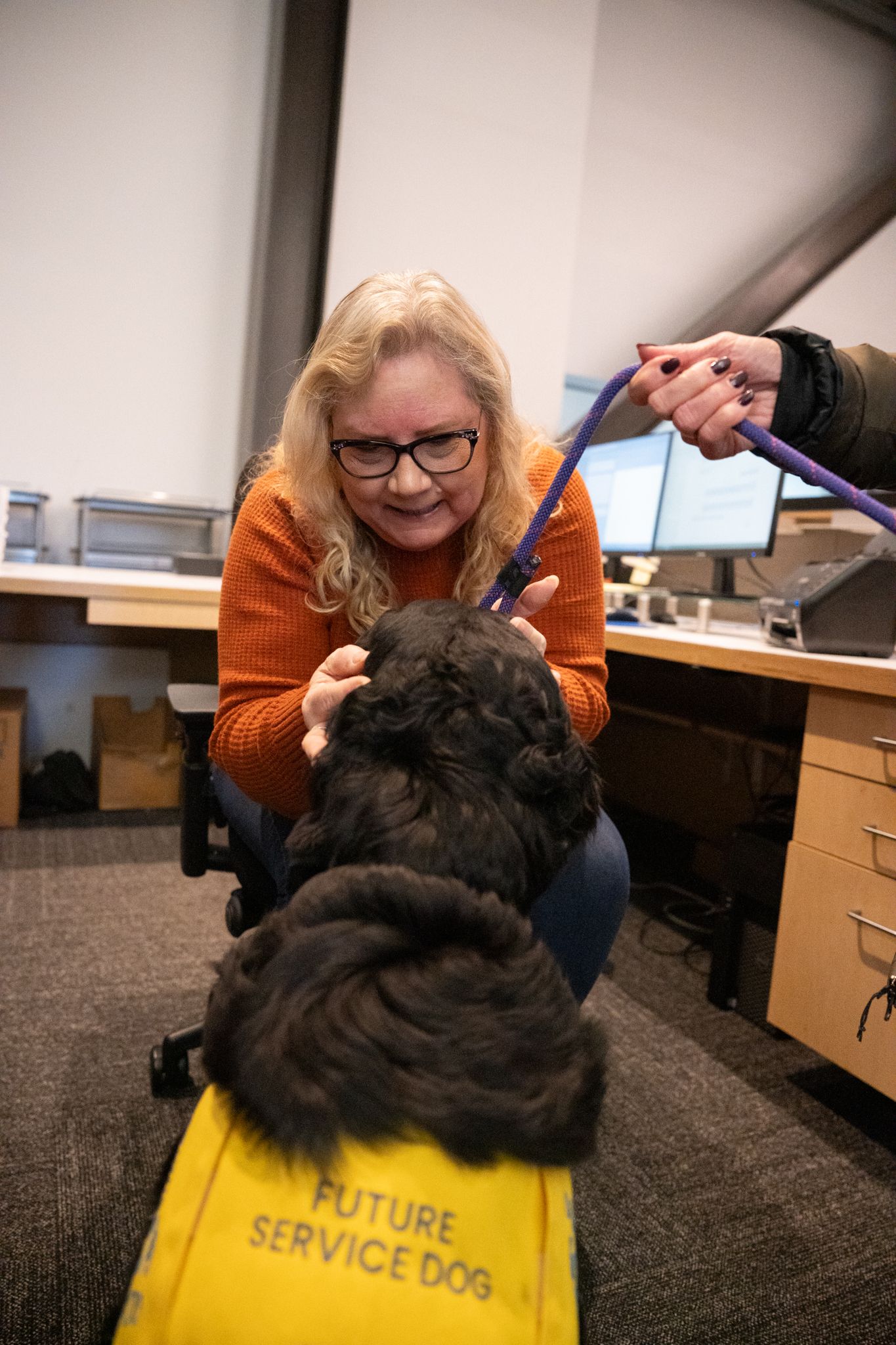
Anyone who’s worked at Mackenzie’s Portland office within the past eight years knows what to do when an office-wide puppy alert goes into effect.
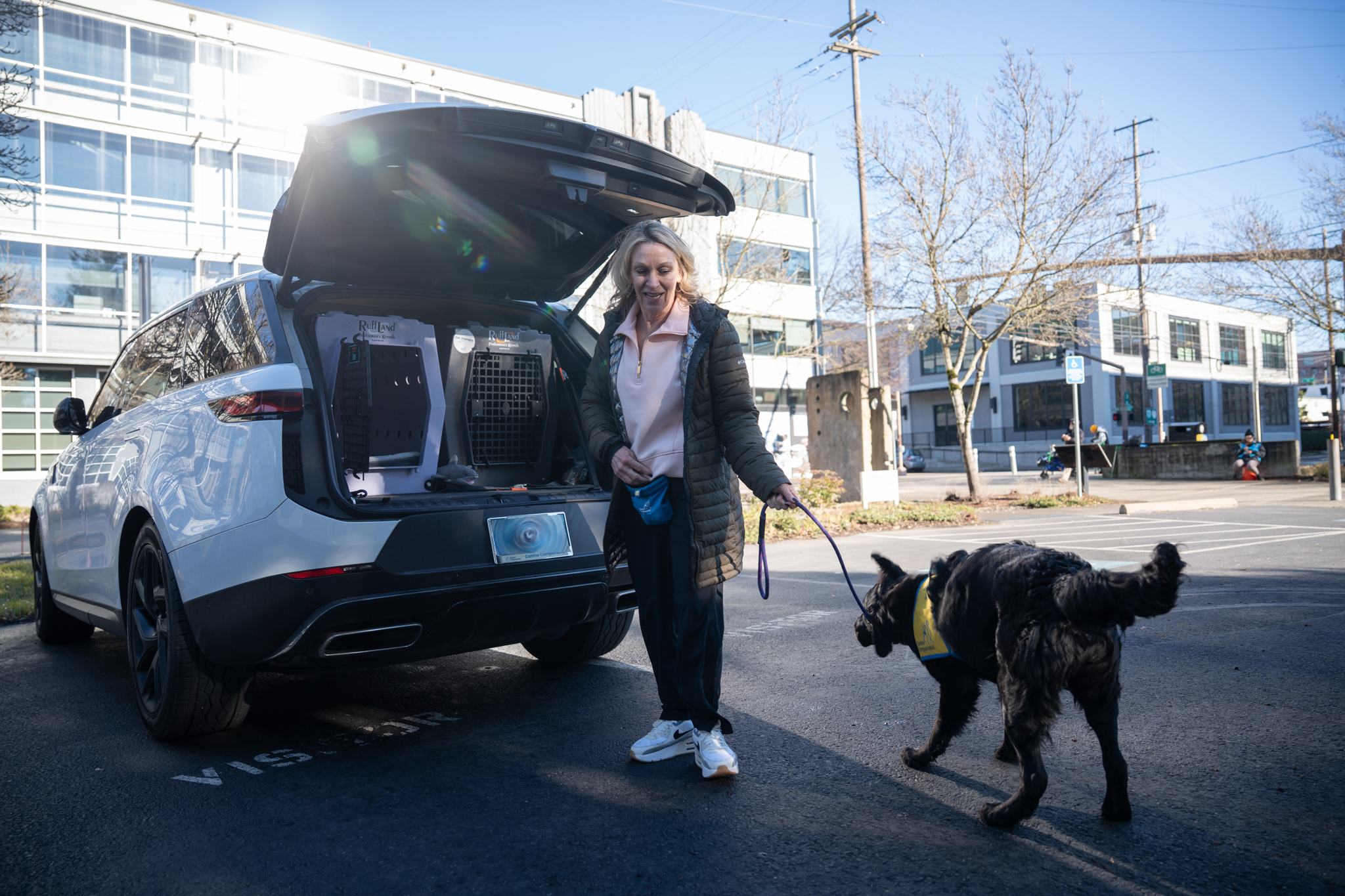
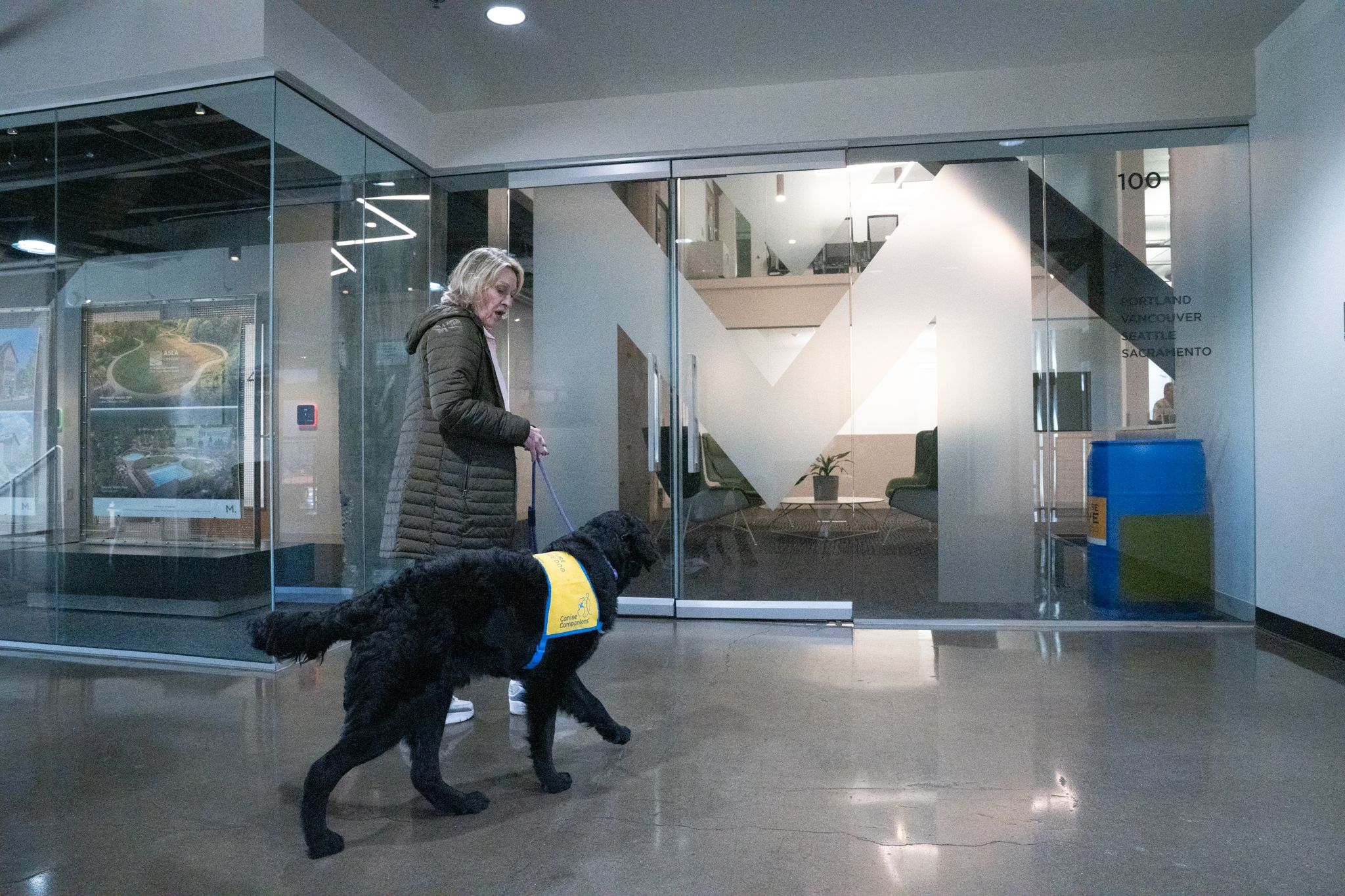
“Puppy alert! Puppy alert!” When Mackenzie Principal Mark Hettum stands in the center of the office and yells that out, it means, if possible, you find a few minutes in your busy day to meet and spend some time with one of the puppies he and his wife Anita are training for Canine Companions.
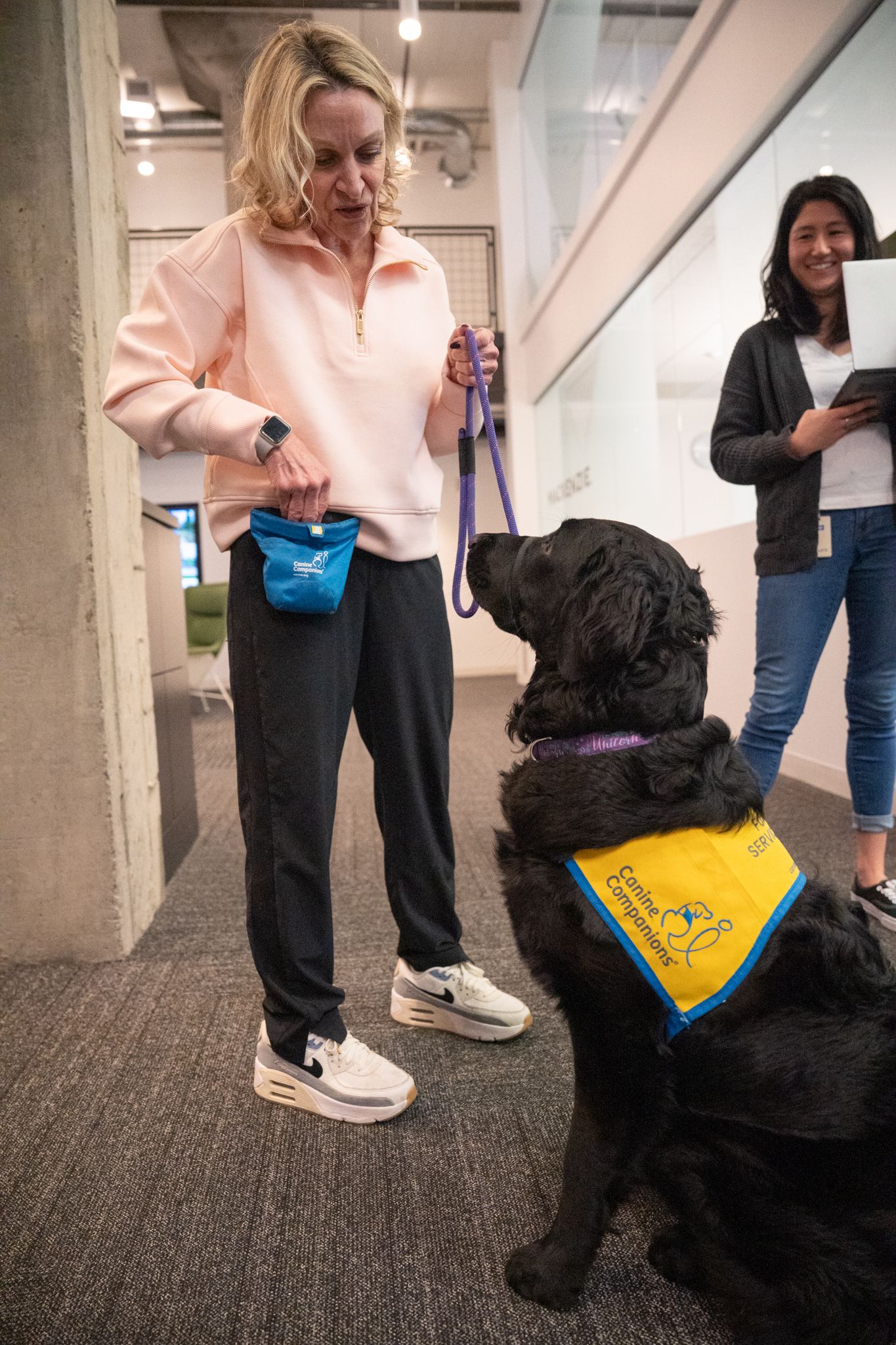
Canine Companions is the largest service dog organization in the United States. They provide dogs to children and adults with disabilities at no cost. They’ve done this work since 1975 and have placed over 8,000 working dog teams since then.
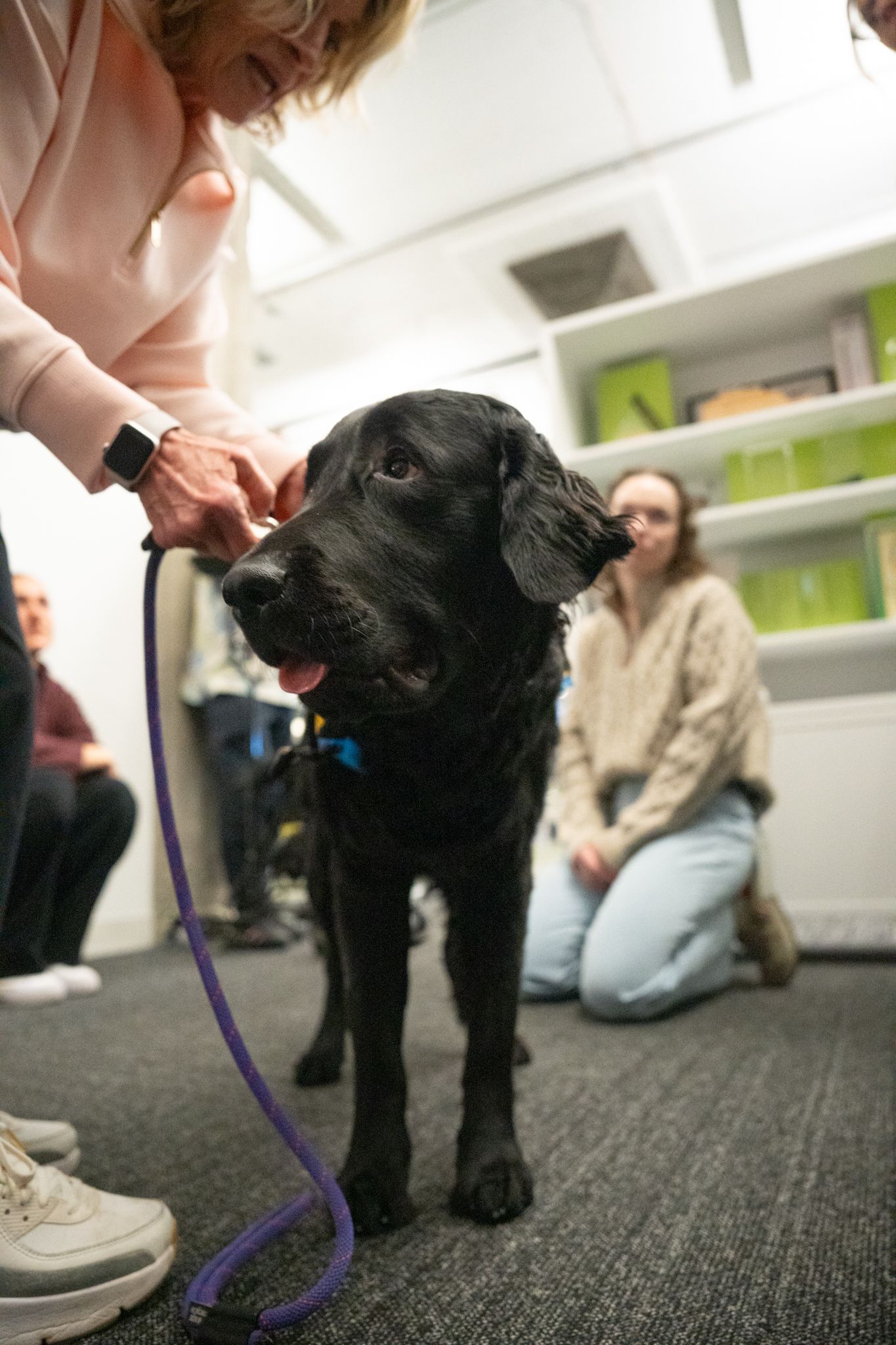
A Mackenzie puppy alert brightens everyone’s day of course, but it also serves a bigger purpose. We sat down with Anita, Mark, and Marcus, the puppy they’re currently training to learn more.
M: Why did you start bringing puppies into the Mackenzie Portland office?
A: This is a really good experience for the puppies. All the different people, the ceilings, the lighting, the sounds, the stairs, the parking lot, the smells. I mean, it's a lot of stimuli for a puppy.
So just now hear that? There's a noise he heard [referencing a real noise in the office that had just happened during the interview], he sat up to it, but he didn't bark or anything. That's one of the things he's supposed to be doing. If he was barking, that would be a problem. There's a sound, but he recovers.
These dogs must be perfect. One little flaw and they're out of the program because you can't have a service dog that isn't just solid. They must have the right combination of self-control and confidence, which is a hard one. And we train that.
Pictured are Mark, Anita, and Marcus in Mackenzie's Portland office
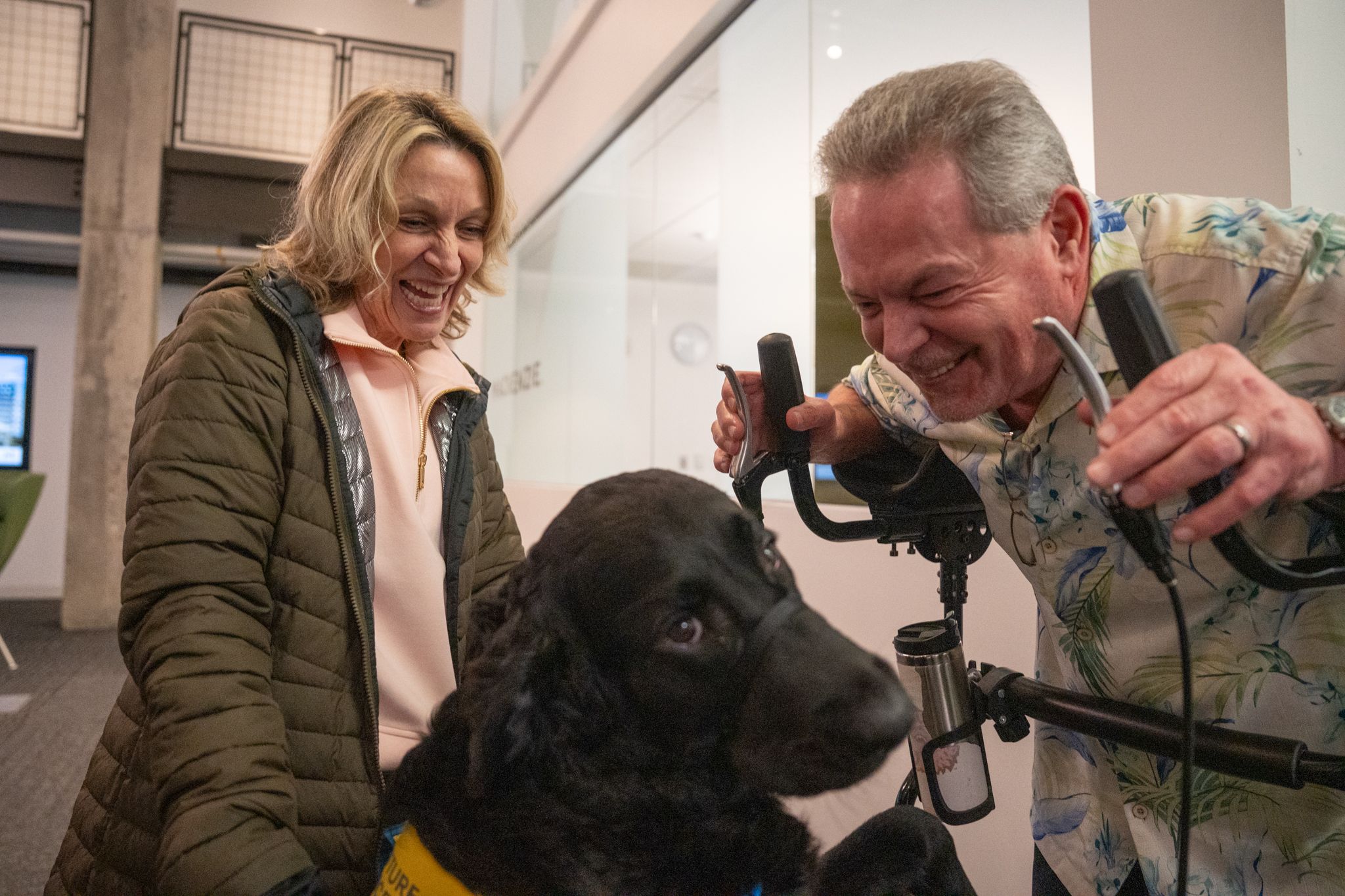
M: What goes into the process of training a puppy?
A: It’s an extensive process. Canine Companions screens potential puppy raisers. You then agree to go to class at least two times a month, and they provide you with a 130-page manual.
Then you attend a weekly in-person training where puppies are trained in 30 commands. As puppy raisers, our job is to socialize them, teach them good house matters, and raise confident, well-behaved puppies. They then go into professional training, somewhere between 16 and 18 months of age in Santa Rosa, California or one of the other locations across the country. They can be there from anywhere from six months to a year before graduation.
M: (At this point in the interview, Anita said “lap” and Marcus put both his front paws on Anita’s lap and rested his body against hers).
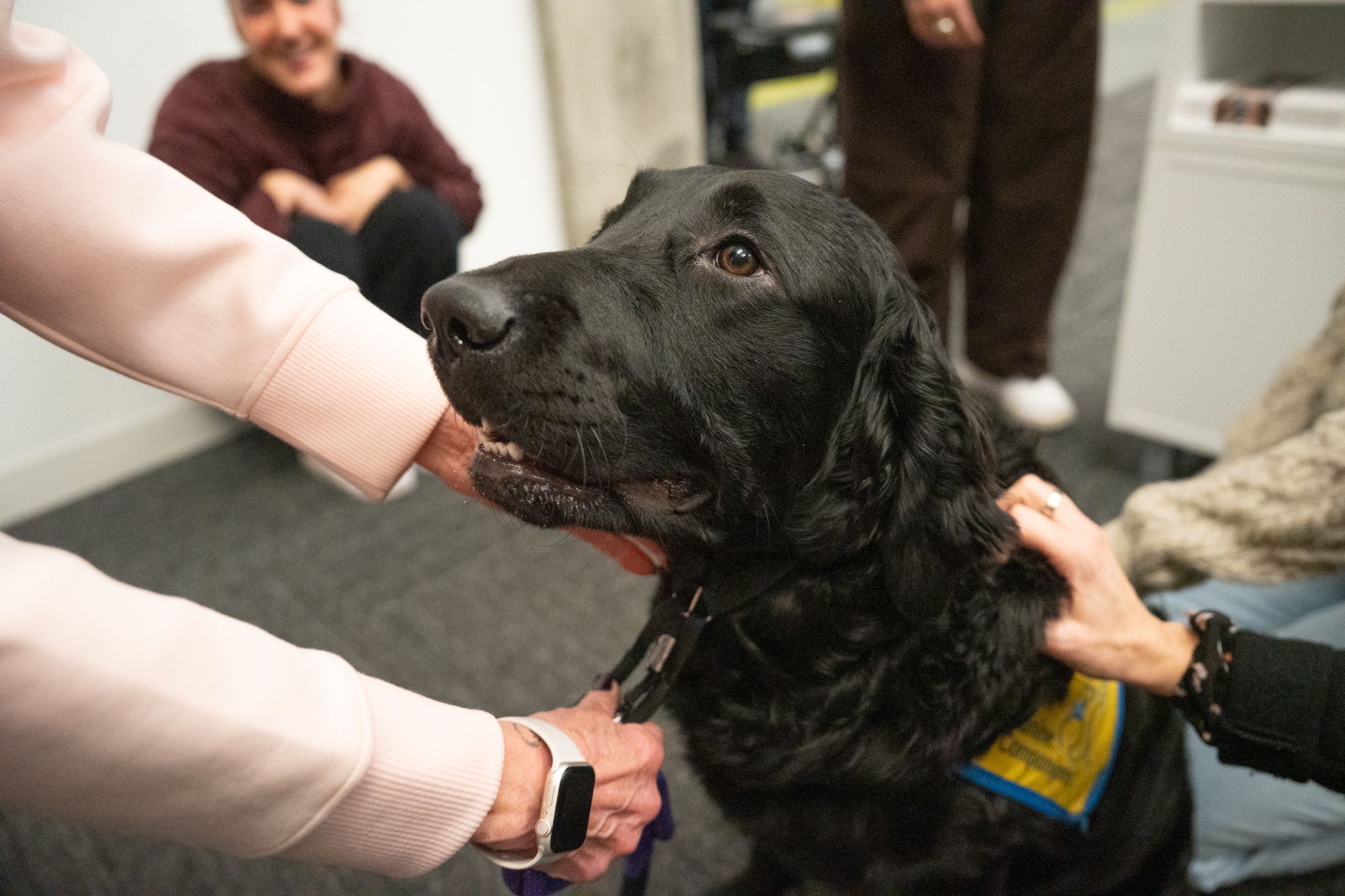
A: So, what he's doing here is, he's putting pressure on me. So if someone is having a panic attack or whatever, the dog will actually lay on top of them. It calms them down.
There are families who have gotten these dogs that have children that have never spoken before, and the dogs have brought it out, the kids start speaking. There are other families that have not been able to leave their house, and now they can. They've had other kids that now with the dog, they're going to Disneyland. There are veterans with PTSD, another area that we train, and it's made a huge impact. It changes their lives. Veterans that haven't been able to work or leave their house or go to events. They're now doing all that stuff because they have a dog that gives them the confidence to be able to do it.
These dogs are so well trained. They toilet on command. That's another thing that we teach them. The word is “hurry,” so that if there's a person with disabilities, and they have a job, or they're traveling with them, they need to be able to take them to a location and say, hurry, and they'll go right there.
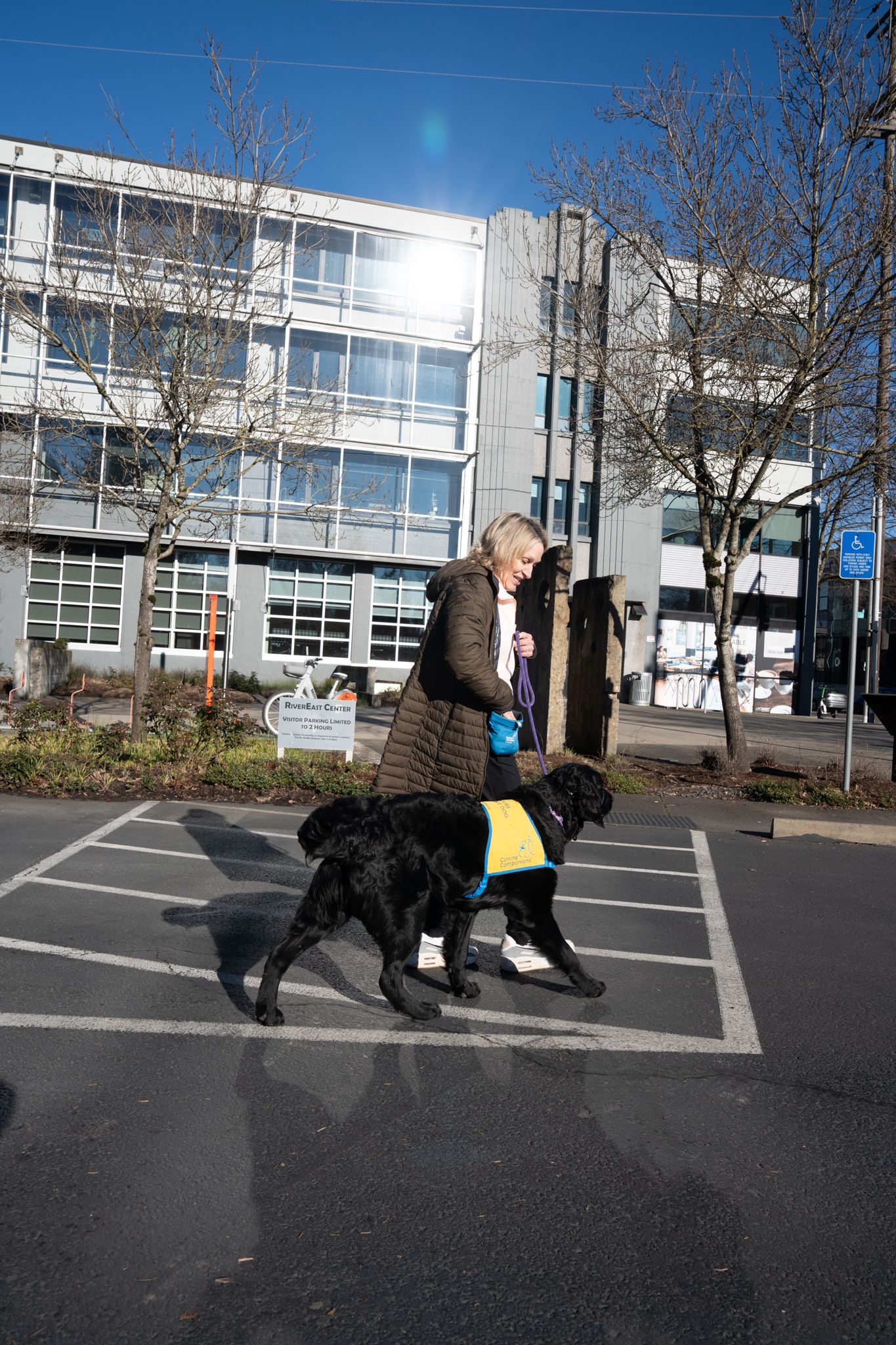
M: You named a couple types of service dogs that they train, kids with autism, folks living with PTSD, what are some other types of service dogs they provide?
A: So, we basically do four things and have recently added a fifth one. We do veterans with PTSD. We do facility dogs, some courthouses have our dogs, hospitals, schools. The dogs help people at the facility. We do hearing dogs. We also do service dogs who do things like open doors and pick up dropped items for people. The fifth one is now we train for diabetics.
M: Canine Companions has a unique partnership with Coffee Creek Correctional Center that you’re involved with, right?
A: Canine Companions just celebrated their 30th anniversary of working with Coffee Creek, the women's prison in Wilsonville, Oregon.
We have had 225 dogs get trained through Coffee Creek, and about 140 women that were incarcerated who were puppy raisers for canine companions have now been released.
And it's kept them out of prison. The puppy program is fun, it is unconditional love, and it gives people a sense of purpose. With the dogs, they change their life and their trajectory. And a lot of them, once they get out of a prison, find that for them to stay sober, not get into trouble, the dogs have really made a difference in their lives. It gives them purpose.
58% of the puppies that have gone through Coffee Creek and other prisons across the country, have been successfully matched with a person in need. The national average is 53%, so the Coffee Creek program has a success rate of 5% higher than the average. Canine Companions is in 23 prisons across the country. The latest one is San Quentin in California.
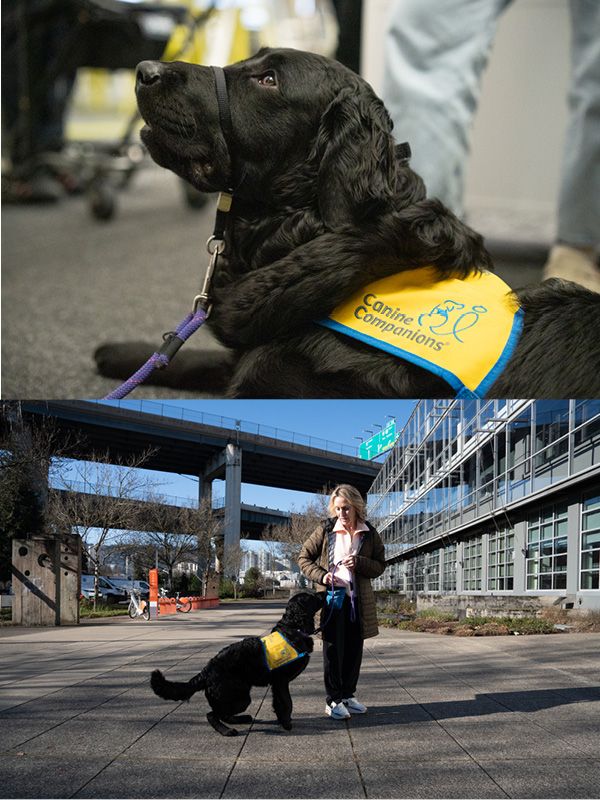
M: How’d you get involved with Canine Companions?
My neighbor used to raise for Canine Companions, and I used to watch her walk the dogs. My kids used to go over there and see the new puppies. I said to myself, “One of these days when my life permits that, the kids are older, et cetera, I'm gonna do that.” So, about eight years ago I reached out and became a volunteer puppy raiser, and now Marcus is number 14.
After I raised a couple on my own, I decided I could make more of an impact if I started the puppies and socialized them for Coffee Creek.
M: How can people get involved?
A: We always need puppy raisers.
Also, I'm doing a big fundraiser for them right now. So, at Coffee Creek, they have medium security and minimum security [custody levels]. As the women are getting ready to get out of prison, usually in the last three months or so, they move into minimum security, where they have more flexibility. A lot of the women choose to stay in medium security because we didn't have a puppy program in minimum. So they would end up staying in medium security through the end, because they wanted to stay with their puppies.
And so we need a puppy yard in minimum for training and toileting. So, I have a fundraiser that I'm trying to raise $25,000. So we're at about $5,000 right now.
Learn more about Canine Companions here. Mackenzie's year-end ‘Season of Giving’ campaign has contributed to Canine Companions for the past few years. Click here to donate to Anita's campaign.


